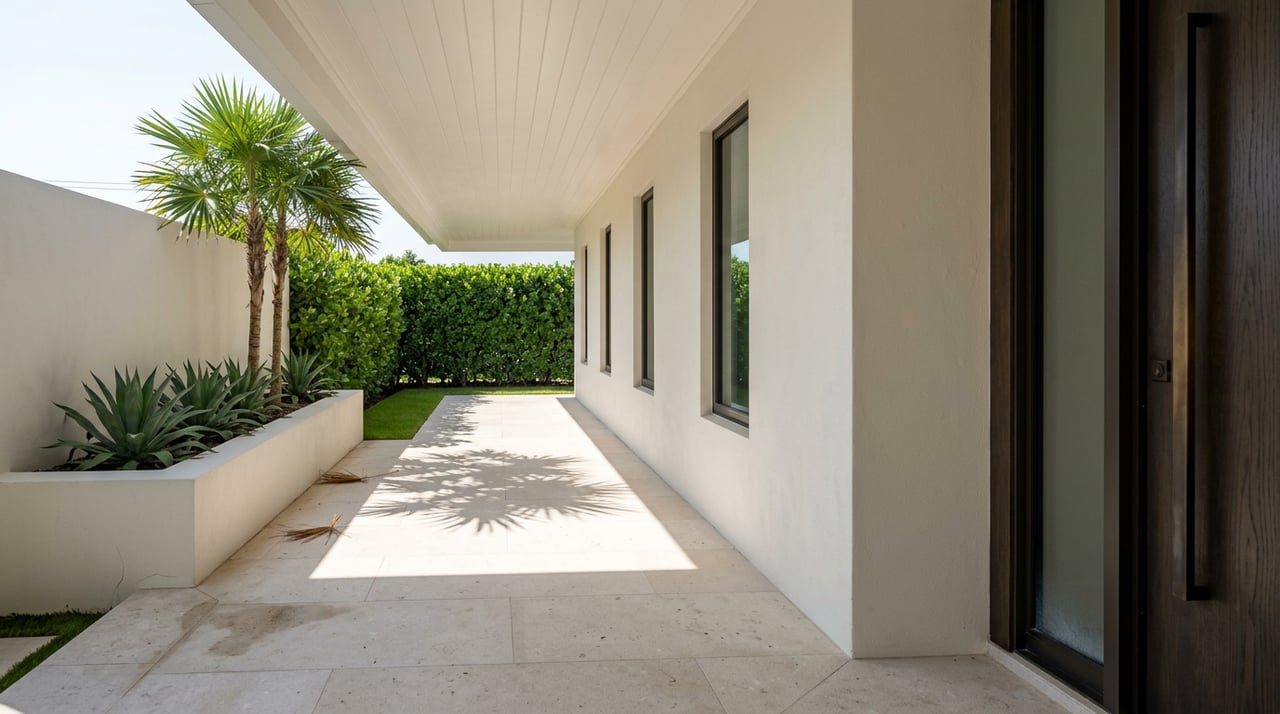
Jupiter Island Summer Things to Do Like a Local
July 23, 2026
July 23, 2026
Snowbird traffic thins in June, the Beach Road gate feels lighter, and the barrier island slips into a rhythm that most seasonal owners never see. If you live here year round, this is the stretch when the island belongs to you again. The turtles come ashore, the parking lot at Blowing Rocks empties by mid-morning, and the five-minute radius around Bridge Road has quietly rebuilt itself with new operators who plan their calendars around the off-season, not against it.
The thesis is simple. Summer on Jupiter Island is not the pause between winter seasons. It is the island's most private season, and the businesses that matter to residents have started acting like it.
Everything about a Jupiter Island summer runs on the nesting window. Sea turtle nesting season in southeast Florida runs from March 1st to October 31st, and Loggerhead Marinelife Center's research team patrols 8.5 miles of beach from the Jupiter Inlet Colony south to John D. MacArthur State Park. That patrol line starts at our southern property boundary and works away from us, which is why residents here get the earliest look at fresh crawls most mornings.
The scale is worth holding in your head. In 2025, researchers at LMC recorded 20,871 sea turtle nests from leatherbacks, loggerheads, and green turtles, and this year is running ahead of that pace. The Florida Fish and Wildlife Conservation Commission reported that the 2026 sea turtle nesting season is off to a strong start, with 1,008 leatherback nests as of mid-May, up 4% from May 2025, and the 2026 loggerhead count already at 1,450, roughly 82% better than the same point last year. For a homeowner walking the beach at sunrise in July, that translates to fresh tracks most days and hatchling emergences almost nightly through late summer.
A few practical rules earn their place because they change how you use your own property this time of year:
The point is not the rules themselves. It is that from now until Halloween, the island's most valuable frontage is on loan to a federally protected species, and residents who understand that get a version of the beach that visitors never experience.
The winter version of Blowing Rocks Preserve is the one that shows up on postcards, with plumes of saltwater firing over the Anastasia limestone at high tide. The summer version is the one residents actually use. Seas flatten, the water clears, and the crowds thin because the signature spectacle is on pause until the winter swells return.
A few things worth knowing if you have not been in a while. An optional $2 per person donation helps maintain the preserve, payable via cash or credit card. The parking lot gates close and lock at 4:30 p.m., street parking is not permitted per the Town of Jupiter Island Public Safety Department, and the lots are often full by late morning on weekends and holidays, with the closest additional parking one mile south at Palm Beach County's Coral Cove Beach Park. Drones are not permitted per the Town of Jupiter Island, pets and alcohol are prohibited, and photo shoots and weddings are not allowed on the trails or beach. That last rule matters if you have out-of-town family visiting and someone floats the idea of a beach engagement photo. It is not the venue for it.
For a summer morning walk, the 0.1-mile Beach Trail is the main beach access through shaded maritime hammock, and the 0.4-mile Dune Trail runs on top of the beach dune with sweeping views, terminating at the sandy north end of the preserve's beach. Both are short enough to do before breakfast and long enough to give you a real read on how the beach has moved since your last visit. Additional public programming will resume in January 2026, so the summer calendar is deliberately quiet.
The off-island dining question used to have a short answer. It is getting longer.
The most consequential opening for year-round residents is Salty Pelican Fish Shack, which took over the 70-year-old building that was previously home to the iconic Catfish House, remodeled by owners known as the "Salty Sisters," who kept some of the Catfish House's most popular menu items including the bone-in "little ones" catfish. The address is 11500 SE Federal Hwy, Hobe Sound, with dinner service Thursday through Saturday from 3 to 9 p.m. and Sunday from 11:30 a.m. The building has been a hinge point of the Bridge Road corridor for decades, and its reopening changes the calculus for a weeknight dinner run off the island.
Around it, the Bridge Road standbys still hold. Harry and the Natives keeps the Old Florida bar-and-grill slot. Citron Bistro, the Hobe Sound outpost of the McLaughlin family's Vero Beach original, still runs its neighborhood-restaurant format on the Bridge Road and Dixie Highway corner. The Grove Cucina & Wine has quietly become the destination the wine list suggests it should be, with six consecutive Wine Spectator Awards on the wall. None of this is new news to a resident who eats off-island once a week. What is new is that the corridor now has enough range that you can go three or four nights without repeating.
Hobe Sound Farms at 1425 SE Bridge Road has become the most reliable place to find something happening on a summer weeknight. The programming is designed around the exact months when the seasonal community is elsewhere, which is why residents have adopted it as a de facto town square.
Here is what the summer and early fall calendar actually looks like:
| Date | Event | Detail |
|---|---|---|
| Wednesdays, all summer | Farm Explorer Wednesdays | Hands-on farm experience with animals, crafts, and outdoor activities for families |
| Sat & Sun, year round | Hobe Sound Farmers Market | 9 a.m. to 2 p.m. |
| Friday, July 31 | 'Merica Farm Yeah! with Tom Jackson Band | 6 to 10 p.m., full bar, food trucks, mechanical bull; $10 pre-sale, $15 at the gate |
| Saturday, August 15 | Line Dancing at the Farm | 6 to 11 p.m., lessons by Country Heart Dance Company, DJ John Lindz |
| Saturday, October 17 | Line Dancing at the Farm | Same format, third of the three-date series |
The farm is a five-minute drive from the north gate. That matters more than the programming itself. When your options within a short radius expand from a farmers market to a music-and-food-truck night three or four times a summer, the off-season stops feeling like a hollow.
Two other summer anchors round out the local calendar. Nature Explorers runs at Jonathan Dickinson State Park at 16450 SE Federal Highway, and the Treasure Coast Endurance Challenge, a 3- and 6-hour adventure race with 5K and 25K trail runs, returns to Jonathan Dickinson on November 7, which is the traditional bookend of the summer stretch.
Most Florida barrier islands run on a binary rhythm. Season is on, season is off, and the off months are treated as a service problem. Jupiter Island has always been quieter than that binary suggests, in part because a meaningful share of the housing stock is owned by people who actually live in it year round rather than renting it out.
What has shifted in the last two seasons is that the off-island infrastructure is finally organized around them. A restaurant reopens in February with a Thursday-through-Sunday schedule that assumes locals, not seasonal visitors. A farm books three line-dancing dates in the June, August, and October slots that used to be dead zones. LMC's expanded protection zone treats the barrier-island coastline as a single continuous asset from March through October, which is exactly when residents have the beach mostly to themselves.
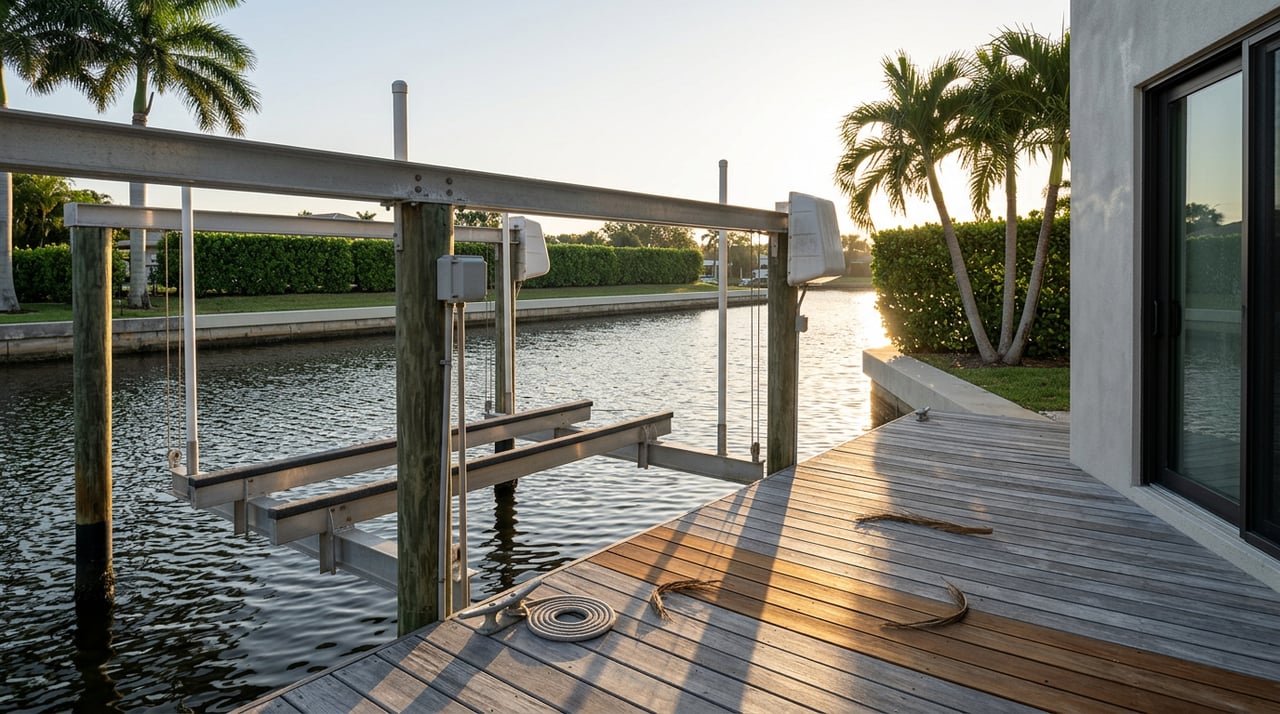
If you have been away for the summer for the last several years, the practical experiment worth running is a single weekend in August. Sunrise walk from the north end of the preserve, coffee and produce at the Bridge Road farmers market, an afternoon on your own dock, and dinner at Salty Pelican with the windows open. That is the resident-only version of the island, and it is the version that quietly justifies keeping a house here.
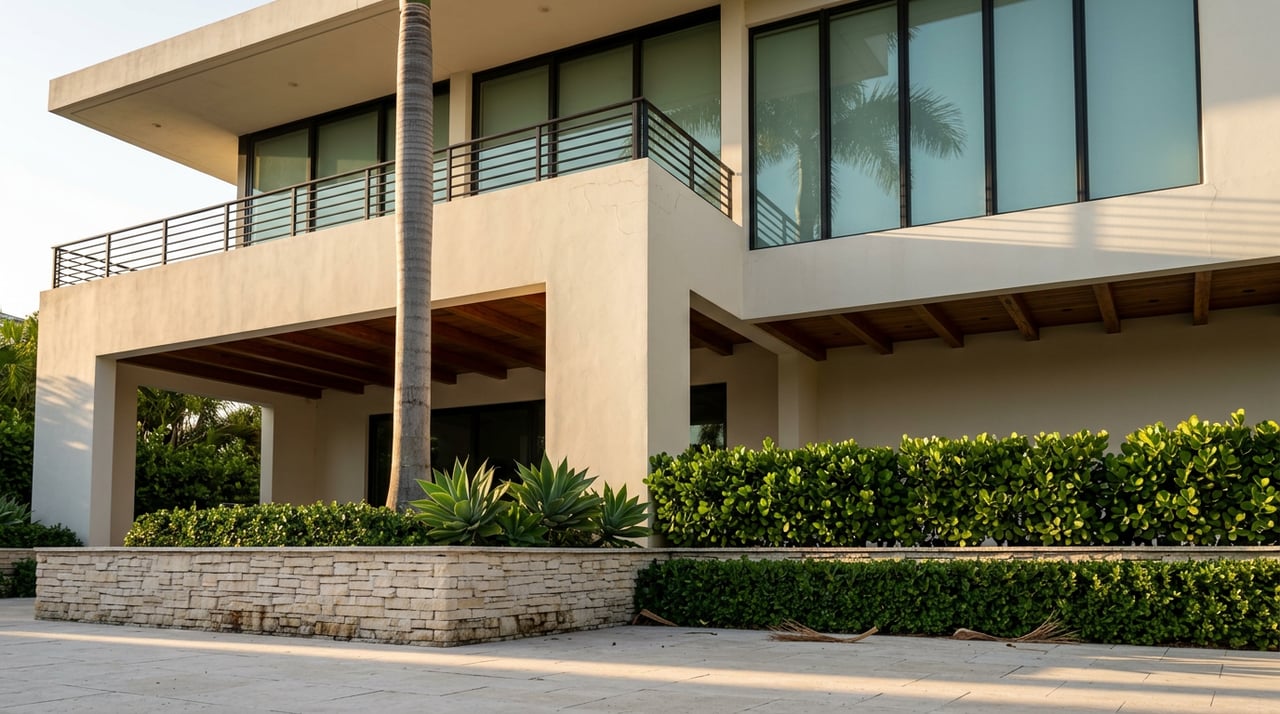
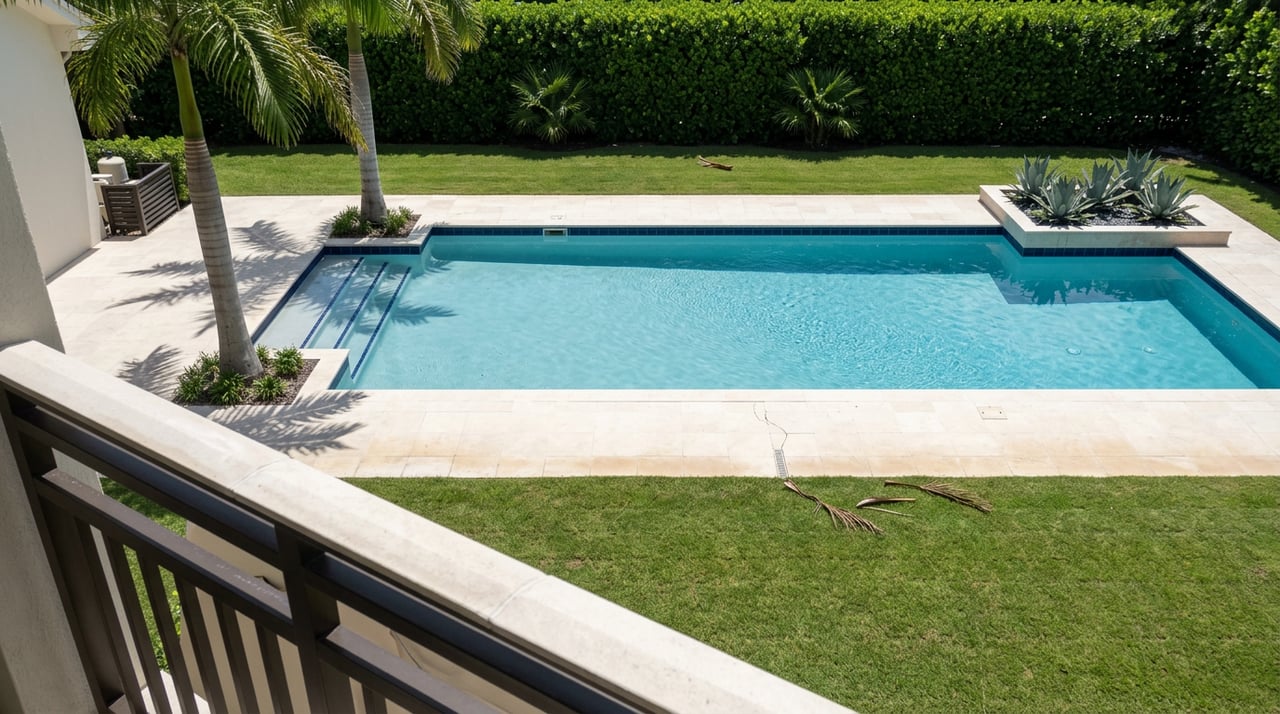
Understanding how the island actually lives in July is different from understanding how it trades in February. Both matter, and both shape what a Jupiter Island property is worth to the right buyer. If you own here and are thinking about how the year-round rhythm of this market should inform a listing strategy for next season, Donna Hutchins and her team work quietly with owners along the barrier island to plan discreet, design-led sales that respect the privacy this place is built on. Schedule a confidential selling consultation when you are ready to talk.
Donna’s clients have placed their trust in her to handle the sale of their most valuable assets - their homes. She goes above and beyond for all her clients, emphasizing building and creating lasting relationships. With over 20 years of success working as a top-ranked luxury agent in New Jersey and Florida.