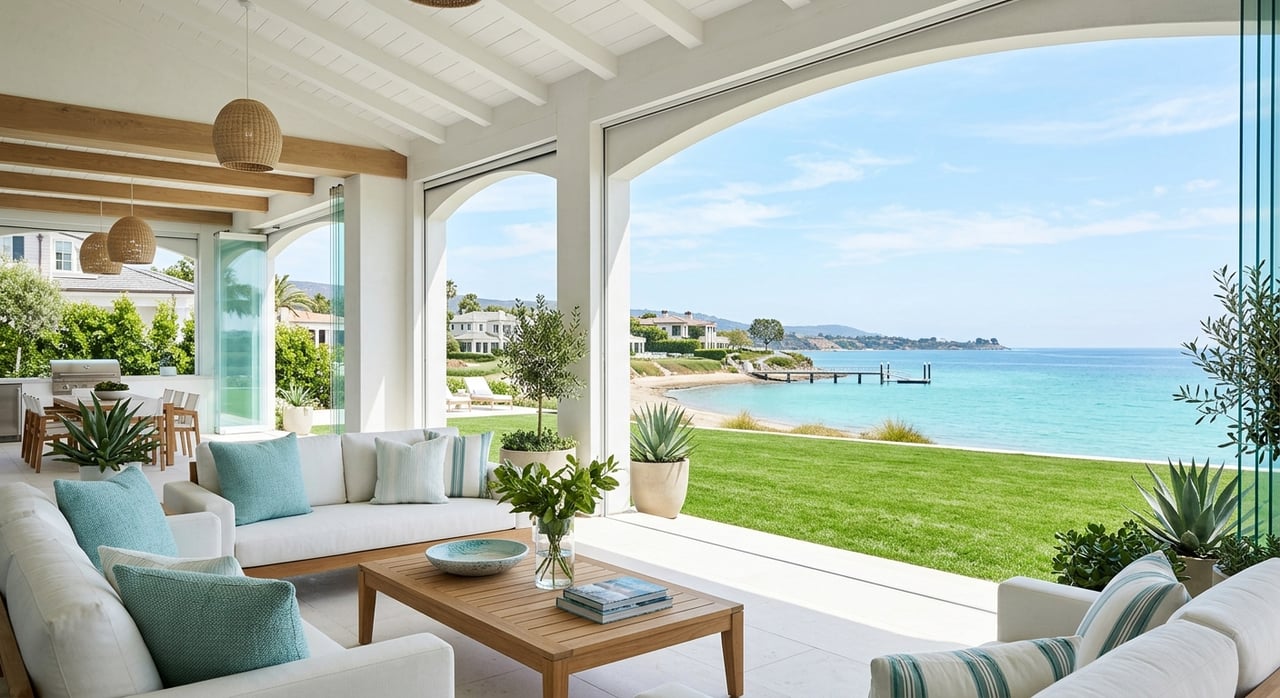
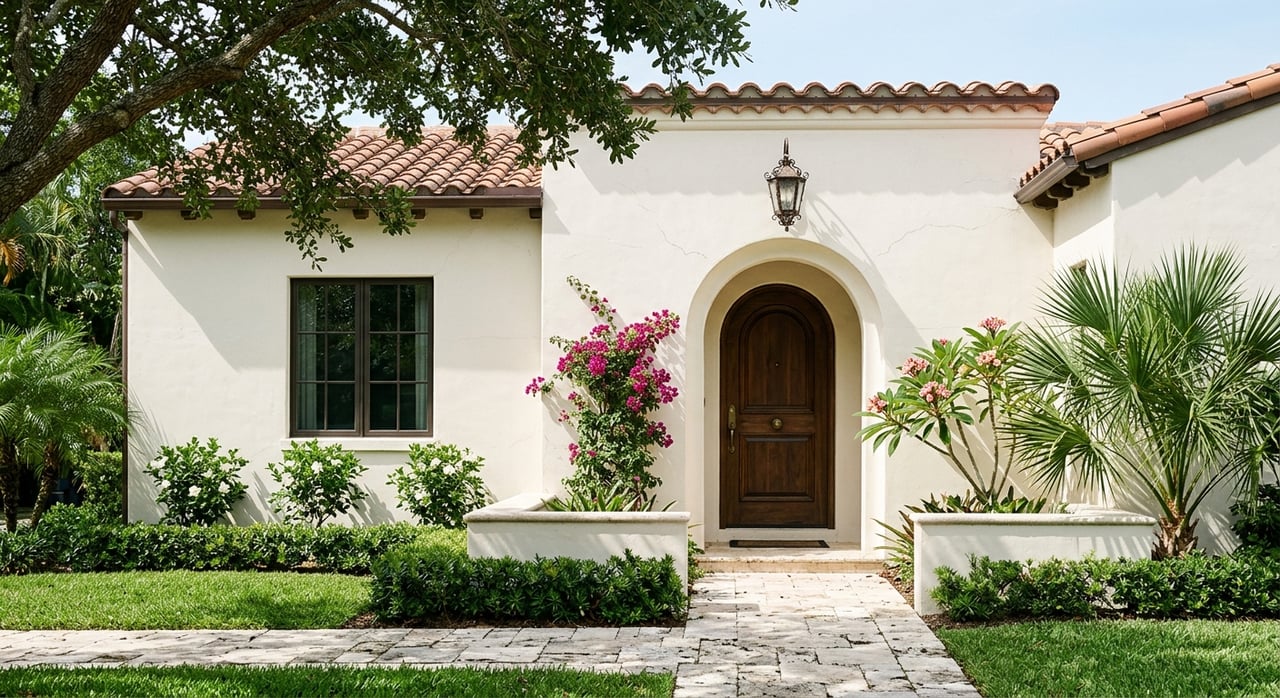
Your view is your most valuable asset. In North Palm Beach and the surrounding coastal communities, buyers often fall in love with the water long before they notice the kitchen finishes. If you want a smooth, private sale that commands a premium, staging must highlight the lifestyle and remove friction for buyers. This guide gives you a clear, design-led plan tailored to local conditions, from sightlines and materials to timelines and vendor coordination. Let’s dive in.
What waterfront buyers expect
Waterfront buyers in Palm Beach County shop for a lifestyle as much as a floor plan. They prioritize unobstructed views, indoor‑outdoor flow, and spaces that feel turnkey. According to NAR research on staging and buyer preferences, thoughtful presentation helps buyers visualize living in the home and can influence perceived value. Regionally, buyers also pay attention to docks, pool areas, and outdoor entertaining zones that face the water.
The climate matters too. Our humid subtropical weather brings strong sun, salt air, and hurricane season. Materials need to resist UV, moisture, and corrosion. Buyers also ask about flood zone status, elevation, and seawall or dock condition. You can set the tone by preparing clear documentation early.
Stage the view first
Create the view corridor
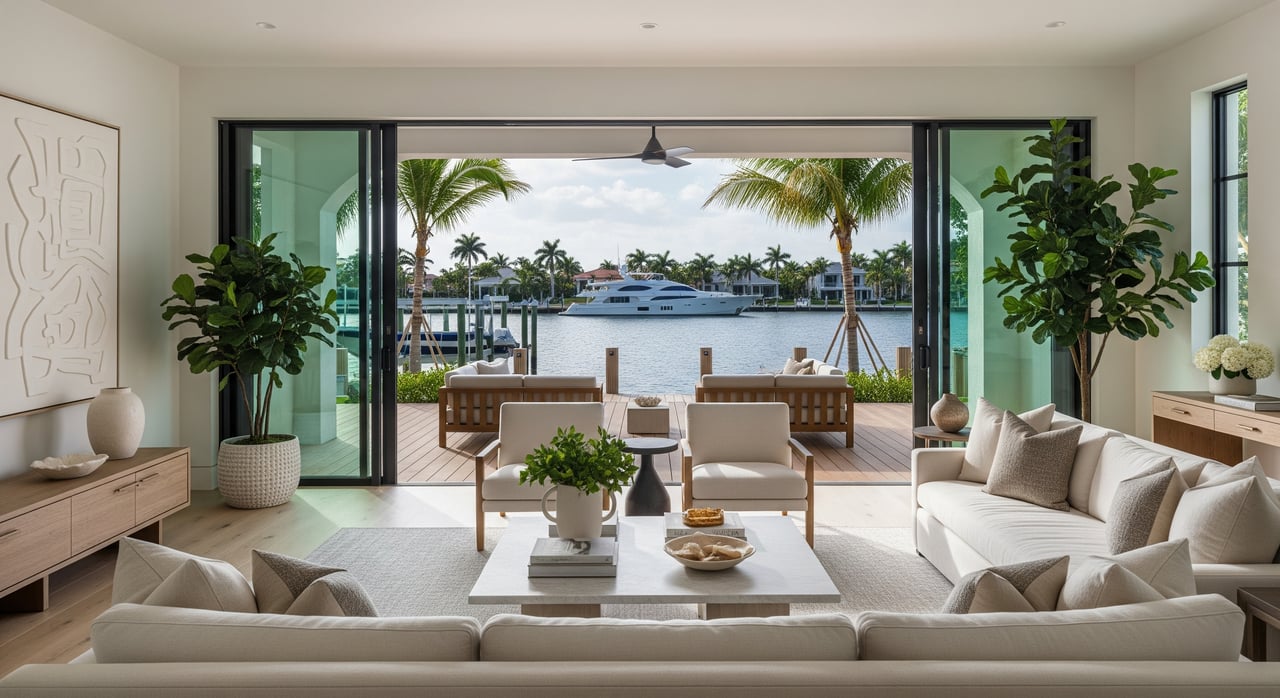
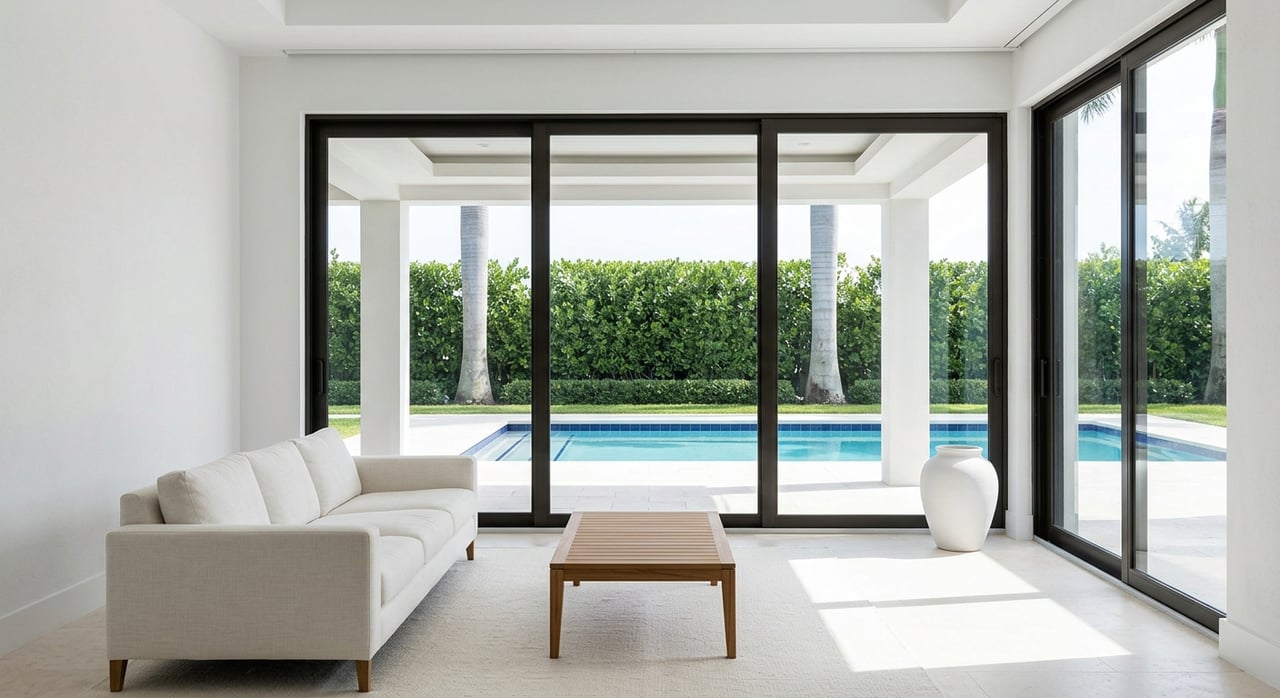
Start by clearing anything that blocks the water. Remove heavy drapery, bulky furniture, and visual clutter from windows and sliders. Orient primary seating to face the view, not the TV, so the eye moves straight to the water. Keep a single focal point per room so nothing competes with the view.
Space planning that sells
- Set a primary seating zone facing the water with a secondary conversation spot.
- Maintain comfortable walkways of about 30 to 36 inches where possible.
- Scale furniture to the room and the vista. Outdoor pieces should feel substantial enough to look balanced against open water.
Seamless indoor‑outdoor flow
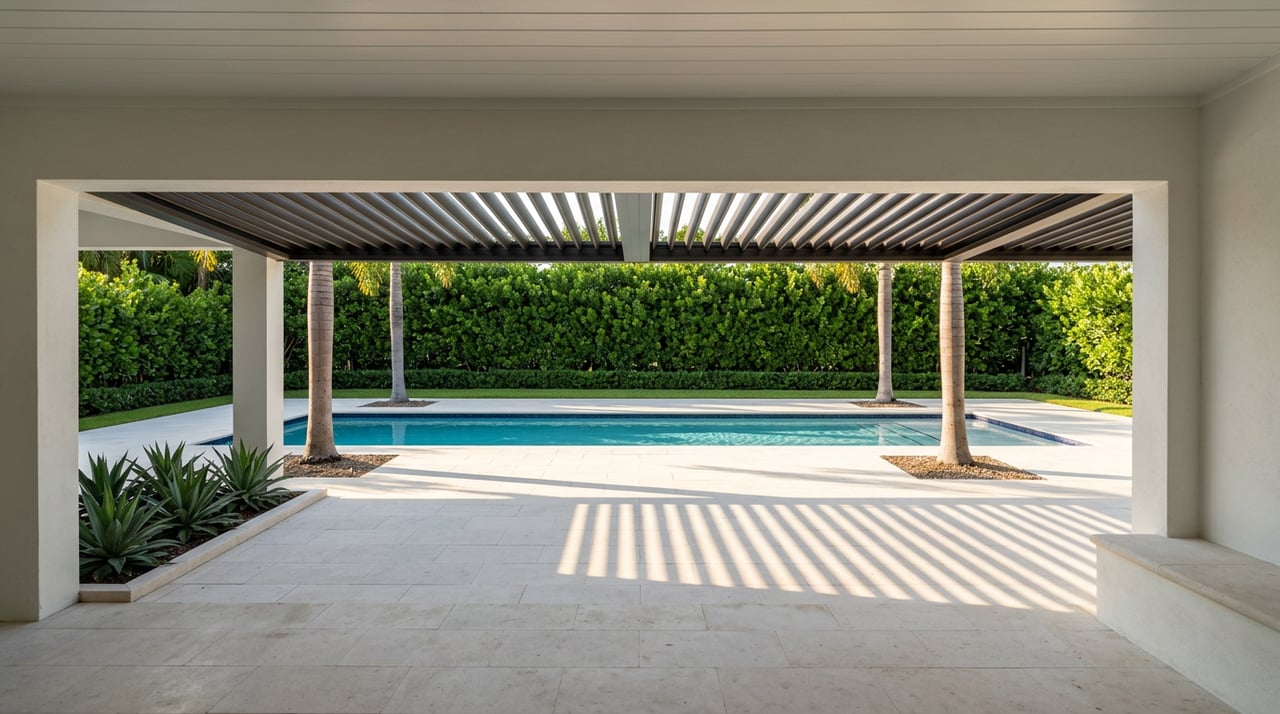
Coordinate rugs, thresholds, and finishes so your eye travels smoothly from living room to lanai and pool deck. Stage the lanai as a real room with defined lounge and dining zones. Show use cases buyers value: morning coffee facing the inlet, sunset cocktails, al fresco dining, and easy movement to the dock.
Materials that stand up to salt and sun
Choose finishes that photograph beautifully and reduce perceived maintenance.
- Fabrics: Use performance, UV‑resistant, and mildew‑resistant textiles, such as solution‑dyed acrylics. Avoid natural fibers in humid areas.
- Outdoor furniture: Favor powder‑coated aluminum, marine‑grade stainless steel, and coastal‑rated synthetic wicker.
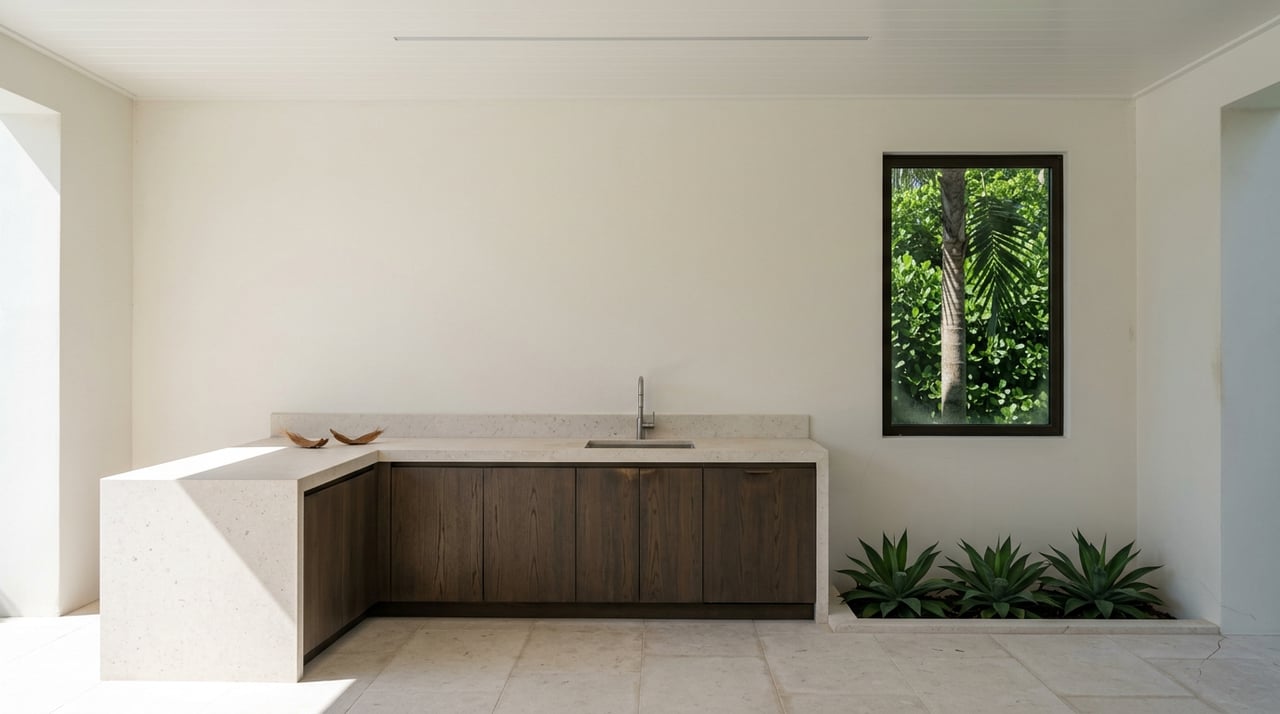
- Flooring: Large‑format porcelain tile or sealed natural stone for the lanai and pool deck. Inside, high‑grade engineered wood or durable tile works well.
- Paint: Light, neutral palettes with warm undertones reduce glare and keep spaces bright. Low‑sheen finishes clean easily.
- Hardware: Choose marine‑grade or coated metals for exterior fixtures. Keep finishes cohesive to signal a well‑maintained home.
Light, art, and photography
Lighting and art placement influence both showings and photos.
- Art height: Aim for a 57 to 60 inch centerline. Over consoles or mantels, keep 6 to 8 inches above the furniture top if the composition allows.
- Protect art from direct sun. If needed, add UV‑filtering window film or move sensitive pieces out of glare.
- Layer lighting. Use ambient, task, and accent lighting so rooms read well at any hour. For twilight exteriors, add warm landscape lighting for depth.
- Photography timing: Shoot morning for east‑facing views and late afternoon for west‑facing views to reduce glare. Include drone images to show dock orientation and water access. If you use virtual staging, clearly disclose it and never alter built elements like docks or view lines.
Outdoor rooms that sell
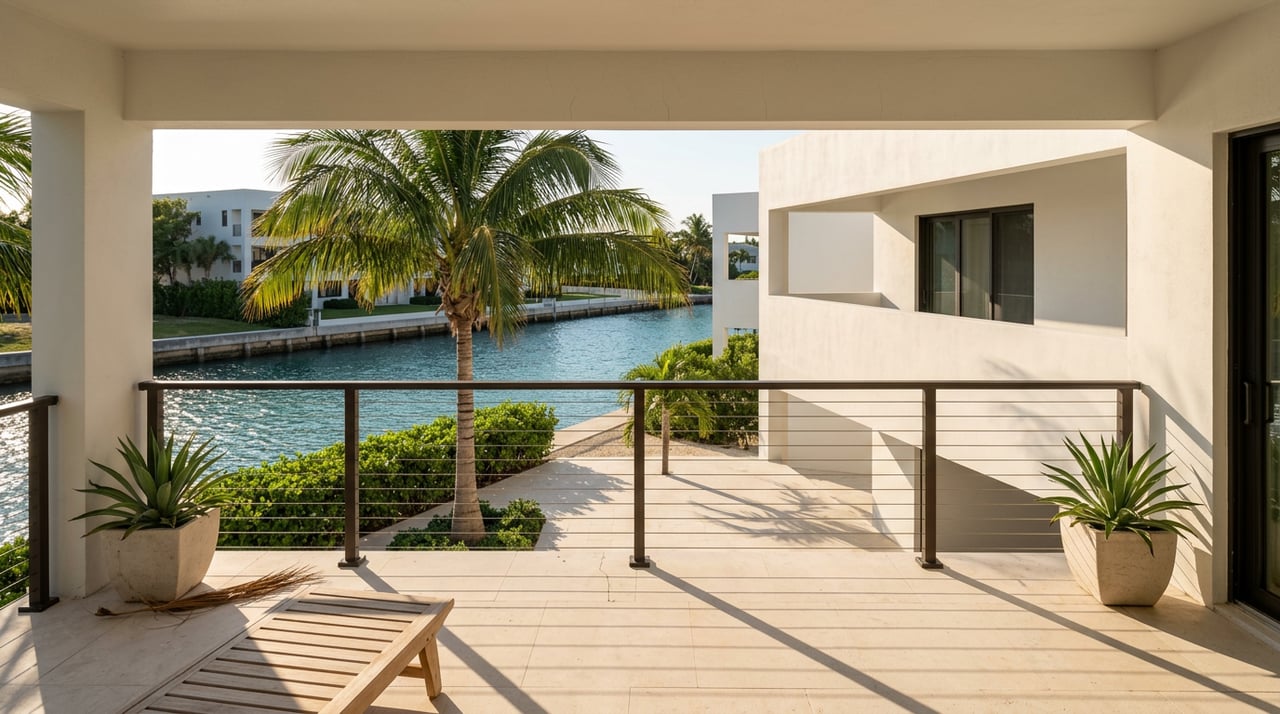
- Lanai and pool: Define zones with outdoor rugs, lounge seating, and a dining area. Keep cushions in performance fabrics and test all lighting ahead of photos. Ensure the pool is clear and balanced.
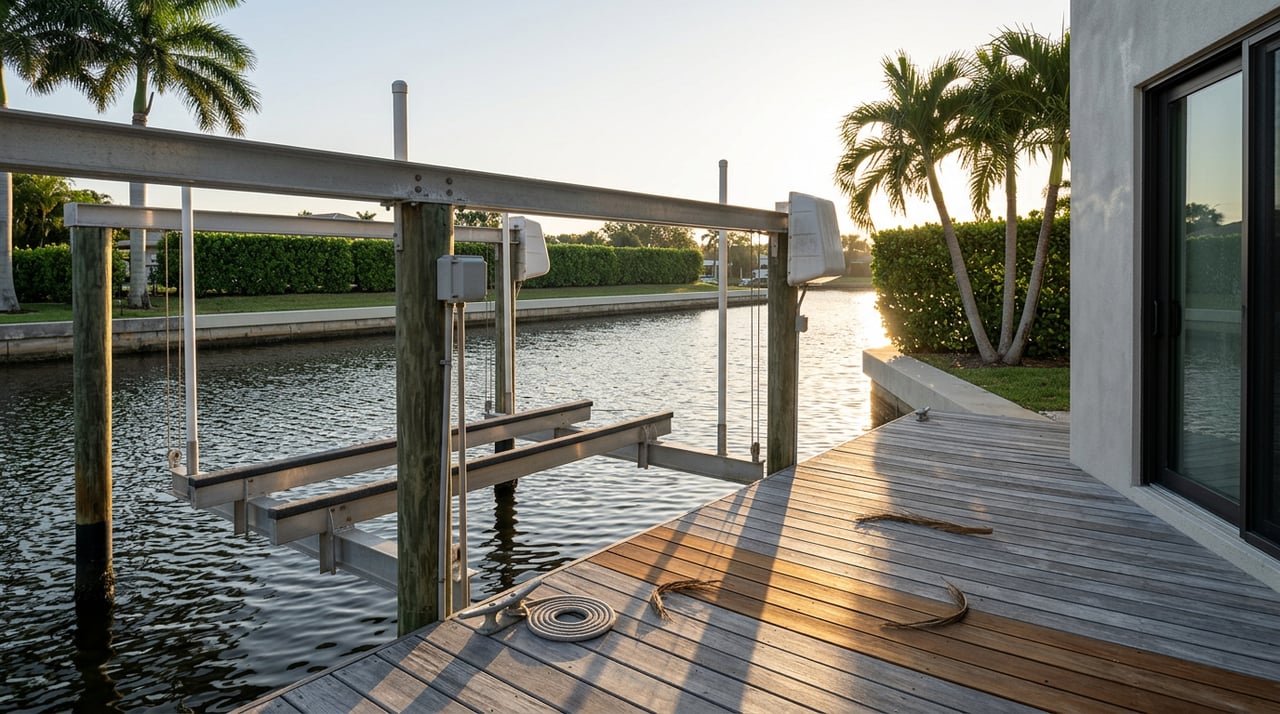
- Dock: Coil lines neatly and remove clutter. Only stage a bistro set where safe. Do not display a boat unless it is allowed and clearly documented as excluded or included.
- Landscaping: Trim hedges that block views and favor salt‑tolerant, low‑maintenance plantings. Pressure wash pavers and remove algae or salt stains so the hardscape reads crisp.
- Seawall and hardscape: Address small, visible repairs or be prepared to present a plan. A well‑kept seawall signals responsible maintenance.
Your step‑by‑step staging timeline
A focused, discreet timeline reduces disruptions and keeps momentum.
Phase 1: Pre‑staging assessment (2 to 21 days out)
- Complete a walkthrough and photo audit to map view corridors and identify safety or maintenance items.
- Gather key documents: any seawall or dock reports, recent repairs, elevation certificate if available, HOA rules about docks or boat slips, and flood zone information from the FEMA Flood Map Service Center.
- Decide scope: partial, full, or luxe staging. Always stage main living areas, primary suite, kitchen, and outdoor spaces.
Deliverable: a room‑by‑room plan with annotated photos and furniture placement.
Phase 2: Repairs and cleaning (7 to 21 days before photos)
- Pressure wash exteriors and dock, clean the pool, repair screens and sliders, service HVAC, and replace burned‑out bulbs.
- Address visible paver cracks, paint touchups, and hardware issues.
- Deep clean interiors and remediate any mildew or water marks promptly.
- Landscape tidy: prune, weed, and add fresh potted plants as needed.
Phase 3: Staging installation (2 to 7 days before photos)
- Install furniture and art according to the design plan. Keep window reveals clear to showcase the view.
- Place mirrors to amplify light but avoid unwanted reflections.
- Stage outdoor dining with simple place settings and weather‑ready pieces.
- Test all lighting and prepare the property for photos.
Deliverable: a fully staged home, photography‑ready.
Phase 4: Photography and listing launch (day of photos)
- Open draperies and raise screens that interfere with the view. Keep screened areas tidy if they are a selling point.
- Capture interior, exterior, drone, and twilight shots.
- Prepare a showing fact sheet with flood zone information, any elevation certificate, seawall or dock notes, and maintenance receipts.
Phase 5: Showings and upkeep (listing period)
- Refresh staging regularly. Replace wilted plants, vacuum, and keep terraces and pool areas spotless.
- For open houses, set the table outdoors to reinforce the lifestyle, if permitted by HOA and local rules.
- If closing is quick and items are rented, coordinate removal well in advance of possession.
Concierge coordination for a low‑friction process
A single point of contact keeps staging discreet and efficient. Your coordinator can schedule and supervise the following vendors while you stay hands‑off:
- Full‑service stager and stylist for design, rentals, and install.
- Professional photographer and drone operator with waterfront experience.
- Landscape and irrigation tech for quick tidy ups and lighting.
- Pool service and water treatment specialist.
- Dock or seawall contractor for inspection and minor repairs.
- Pressure washing and exterior cleaning crew.
- Deep cleaning and linen rental if needed.
- HVAC, plumbing, and electrical contractors for service confirmations.
- Pest and mosquito control.
- Movers or storage for temporary removal of owner items.
Best practices include weekday installs, multi‑hour windows to reduce vendor overlap, proof of insurance for all vendors, and a clear waste removal plan. If you prefer low visibility, use unmarked vehicles, neutral crates, and limit any on‑site signage.
Documentation buyers will ask for
Be proactive with clear, verified information. It builds trust and speeds decisions.
- Flood and elevation: Pull your zone and map details from the FEMA Flood Map Service Center. Review NFIP flood insurance guidance to understand policy basics. If you have an elevation certificate, include it.
- Seawalls and docks: If you completed recent work, assemble reports and receipts. Confirm permit status with the Palm Beach County Building Department. Buyers often ask for any inspection reports you can share.
- Environmental and HOA: Coastal vegetation buffers and setbacks can affect landscaping or dock work. Direct buyers to the Palm Beach County Environmental Resources Management site and provide HOA covenants if applicable. For statewide coastal rules, reference the Florida Department of Environmental Protection coastal permitting.
- Climate awareness: Coastal sun and humidity drive material choices and maintenance plans. For context on long‑term patterns, see NOAA climate trends for coastal Florida.
- Safety and maintenance: Document pool safety features, outdoor electrical systems, generator or shutter inventories, and any mold remediation you have completed.
- Listing ethics: Do not misrepresent view lines, lot lines, or included items. If you use virtual staging, disclose it and never alter built elements.
Quick seller checklist
- Pre‑pack small valuables before staging begins.
- Approve a clear staging plan that protects sightlines to the water.
- Rent high‑quality outdoor furnishings in performance fabrics if needed.
- Block a tight window for staging and photos to minimize disruptions.
- Prepare flood, elevation, seawall, dock, and permit documents for showings.
- Keep the pool, terraces, and dock immaculate during the listing period.
Ready to elevate your waterfront sale?
A design‑driven staging plan that protects your privacy and showcases the view will help you capture attention and value. If you want a boutique, white‑glove process with coordinated vendors and polished presentation, connect with Donna Hutchins for a confidential consultation.
FAQs
What do North Palm Beach waterfront buyers value most?
- They respond to unobstructed water views, indoor‑outdoor flow, and turnkey outdoor living areas like a lanai, pool, and dock. Clear documentation on flood, seawall, and permits reduces friction.
Which materials hold up best to salt air and sun?
- Performance fabrics, powder‑coated aluminum, marine‑grade stainless steel, large‑format porcelain tile, and low‑sheen neutral paints resist UV, moisture, and corrosion.
How should I orient furniture to showcase the view?
- Position primary seating to face the water, remove heavy drapery, and keep pathways clear. Use one focal point per room so the eye goes straight to the view.
What documents should I prepare before listing a waterfront home?
- Gather flood zone and elevation details, any seawall or dock inspections, permits, HOA rules for docks or slips, and recent maintenance receipts.
When is the best time to photograph water views?
- Morning light is ideal for east‑facing exposures and late afternoon works for west‑facing views. Include drone and twilight shots for context and ambiance.
Can I use virtual staging for a waterfront listing?
- Yes, if clearly disclosed and never used to alter or misrepresent permanent features like docks, lot lines, or view corridors.