Palm Beach Real Estate Seasonality & Market Timing Guide
November 21, 2025
November 21, 2025
Are you trying to time a West Palm Beach move just right? If you are buying from out of state or preparing to list a luxury home, the calendar matters more here than in many markets. Understanding the “season” helps you plan showings, pricing, and marketing so you do not miss the highest-quality buyer traffic. This guide breaks down how the market flows through the year and gives you a simple plan to act with confidence. Let’s dive in.
Palm Beach County’s active season generally runs from November through April, with peak buyer traffic often in mid‑December through March. During these months, you see more out‑of‑state visitors touring homes and moving quickly on the right property. Many buyers plan visits around cultural, equestrian, and boating events. The result is more showings, more competition, and shorter decision windows for well-positioned listings.
Off season brings fewer in-person tours but steady online interest. Local buyers and investors remain active year-round. If you want less competition as a buyer, late spring and summer can offer more room to negotiate, especially on properties that have been on the market through the winter.
Sellers who want maximum exposure often list in early fall so they are fully marketed by winter. Inventory can appear plentiful at the start of the season, then tighten as properties go under contract. Off season may show fewer new listings and longer days on market unless pricing and presentation are tuned to current demand.
In peak months, sellers usually have more leverage because buyer traffic is higher. In late spring and summer, buyers can sometimes negotiate more favorable terms. Ultra-luxury properties may still take longer to sell regardless of season, but the right winter exposure can speed decisions on standout homes.
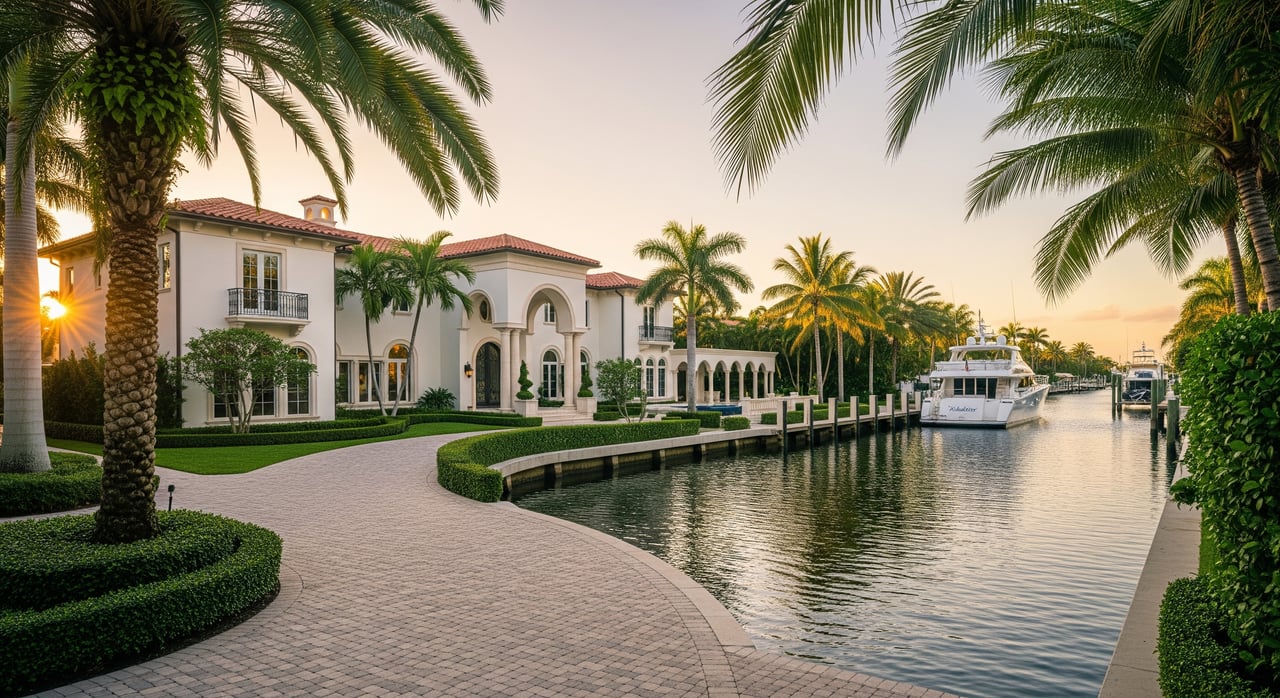
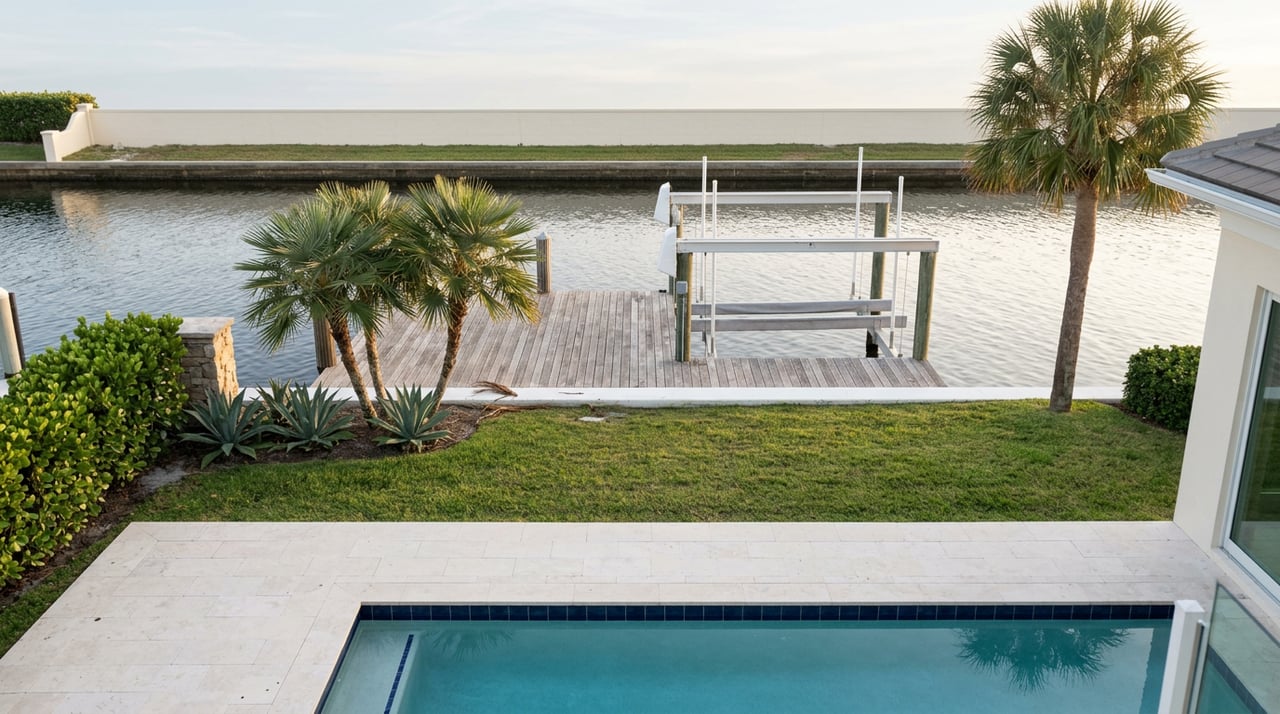
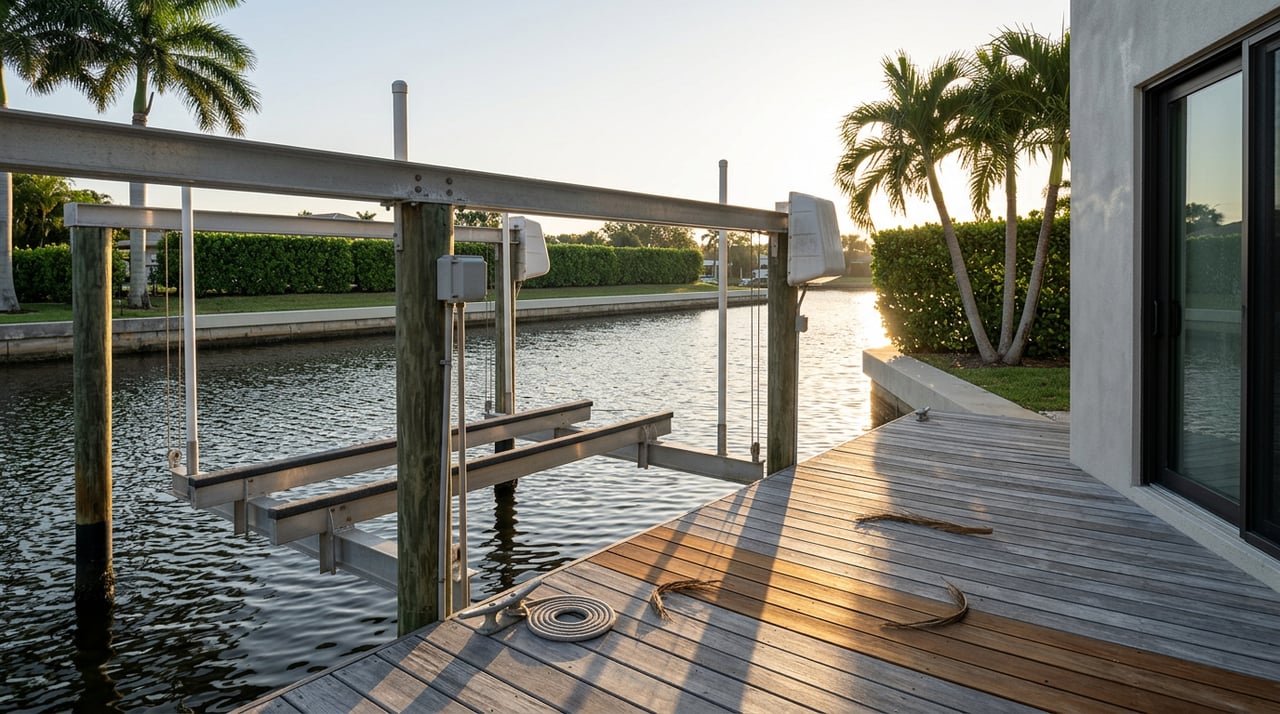
Waterfront demand rises when seasonal residents arrive to use the property in winter. Listings timed for the season tend to see more qualified showings and faster feedback cycles. Twilight photography, refreshed landscaping, and dock or seawall documentation should be in place ahead of first showings.
Condos appeal to part-time residents and investors who value lock-and-leave living. Buyer interest is sensitive to association policies, rental rules, and amenity quality. If rentals are allowed, investors focus on peak-season occupancy, which shapes pricing and ROI expectations.
Seasonal income potential defines value for many investor purchases. Owners sometimes buy or sell outside peak revenue months to avoid heavy competition. Always review municipal short-term rental regulations and HOA rules, which can materially impact returns and marketability.
If you want to capture the largest seasonal audience, prepare to list in early fall. That allows time for staging, photography, and pre-market outreach before high-season travel begins. If you prefer less competition, a late spring or summer launch can still work, but expect a longer marketing runway.
Use this planning checklist to stay ahead of the curve:
If you can, visit in winter to see neighborhoods at full activity level. You will get a real sense of marinas, restaurants, and seasonal services. If travel is tough, combine high-quality virtual tours with scheduled in-person showings on a single focused visit. Local representation is essential so you do not miss time-sensitive opportunities in peak months.
Key steps for a smooth search:
Seasonal events help shape buyer traffic. The Wellington area’s equestrian season draws affluent visitors from January through April. The Palm Beach International Boat Show, art fairs, and charity galas add momentum during winter months. Travel volumes rise in winter, supported by increased inbound flights and charters, which puts more qualified buyers in the market.
Florida’s lack of a state income tax is a well-known consideration for many buyers. If you are thinking about making a seasonal home your primary residence, the homestead exemption can affect your property tax burden. For condos and investor properties, make sure you understand local short-term rental rules, which can differ by municipality and association. West Palm Beach, the Town of Palm Beach, and surrounding cities may have different policies that influence value and timing.
Track a few metrics month by month to decide on pricing, timing, and negotiation strategy. Focus on recent two- to three-year trends rather than a single season.
When reviewing data, confirm whether numbers refer to West Palm Beach, the Town of Palm Beach, or the wider county. Municipal differences matter for both rules and buyer pools.
Seasonality is a reliable guide, but it is not the only force at work. Interest rates, lending conditions, and national economic news can amplify or mute winter demand. Weather, travel trends, and the timing of major events can also shift monthly peaks. Look at recent multi-year patterns and current monthly indicators before making timing decisions.
Presentation and timing can add meaningful value in Palm Beach luxury real estate. You get better results when photography, staging, and marketing are executed before the season arrives. A concierge approach also matters for busy buyers and sellers, including vendor coordination, private showings, and remote-closing support. If you are weighing the best launch window or planning a focused buying trip, connect with a local team that blends market intelligence with design-aware listing strategy and strong negotiation.
If you are planning your sale or next purchase in West Palm Beach or across Palm Beach County, let’s talk. Reach out to Donna Hutchins to align your timing with the season and move with confidence.
Donna’s clients have placed their trust in her to handle the sale of their most valuable assets - their homes. She goes above and beyond for all her clients, emphasizing building and creating lasting relationships. With over 20 years of success working as a top-ranked luxury agent in New Jersey and Florida.