Lost Tree Village Real Estate, Club, and Lifestyle
July 9, 2026
July 9, 2026
Curious what day-to-day life in Lost Tree Village actually looks like? If you are exploring a home purchase in one of Palm Beach County’s most established private communities, it helps to understand more than just the homes. You also need a clear picture of how the village, the club, and the overall lifestyle fit together. Let’s dive in.
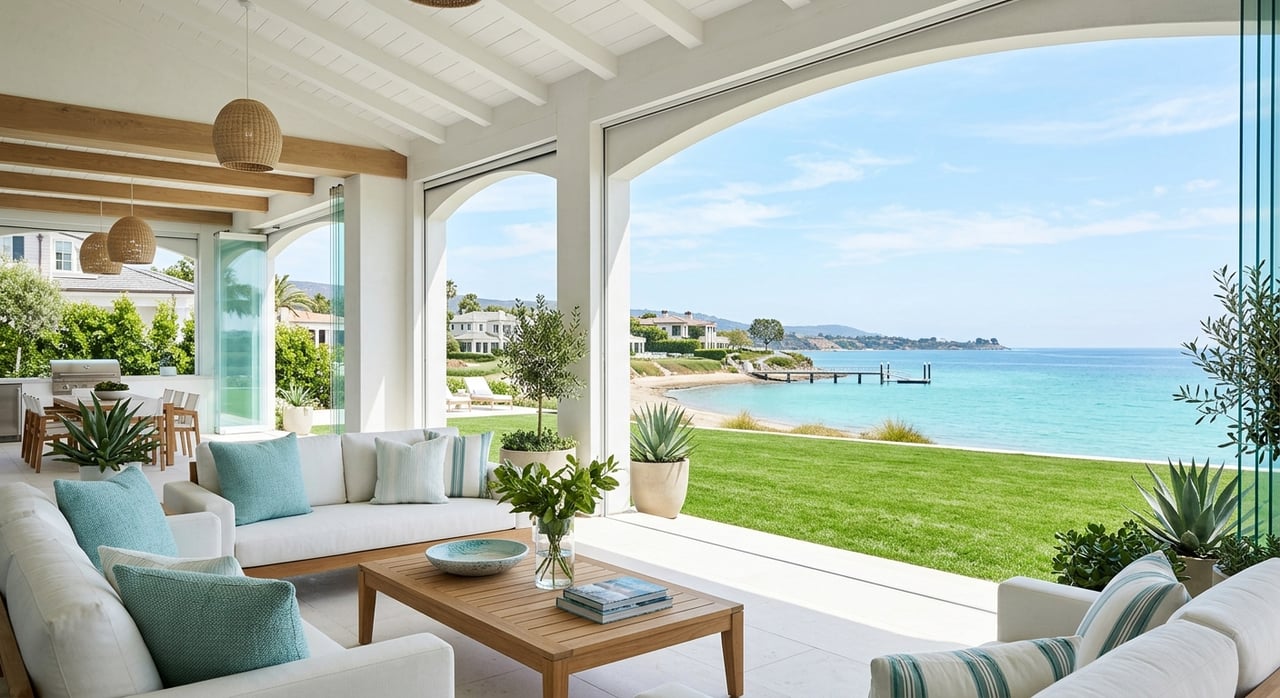
Lost Tree Village is a private gated community in North Palm Beach in northern Palm Beach County. Official community materials describe it as a 450-acre community set between the Atlantic Ocean and the Intracoastal Waterway, with 524 residences, inland lakes, private docks, a golf course, and ocean beaches.
The community’s roots go back decades. Public history from the village notes that the original concept centered on a golf club, the community opened in 1959, and it was formally founded in 1961. That long history helps explain why Lost Tree Village is often viewed as a legacy community rather than a newer luxury address.
One of the easiest ways to understand Lost Tree Village is to think of it as a community shaped by homes, setting, and club life. While public materials do not present this as an official neighborhood map, the community is commonly understood through three overlapping residential experiences: golf-course living, inland-water living, and ocean-side living.
That matters because your daily experience can feel different depending on where a property sits within the village. Some homes are tied more closely to fairway views and golf access, while others emphasize water, docks, or proximity to the beach. In a community like this, location within the gates can shape both lifestyle and long-term appeal.
The golf identity is central to Lost Tree Village’s origin. Public history describes the development as luxury housing built around a premier golf course, which means golf is not simply an added amenity. It is part of the community’s original design and character.
If you are drawn to golf-course living, this setting may appeal to you for its established layout and club-centered rhythm. Homes in this type of environment are often sought for their connection to open views and proximity to club activity.
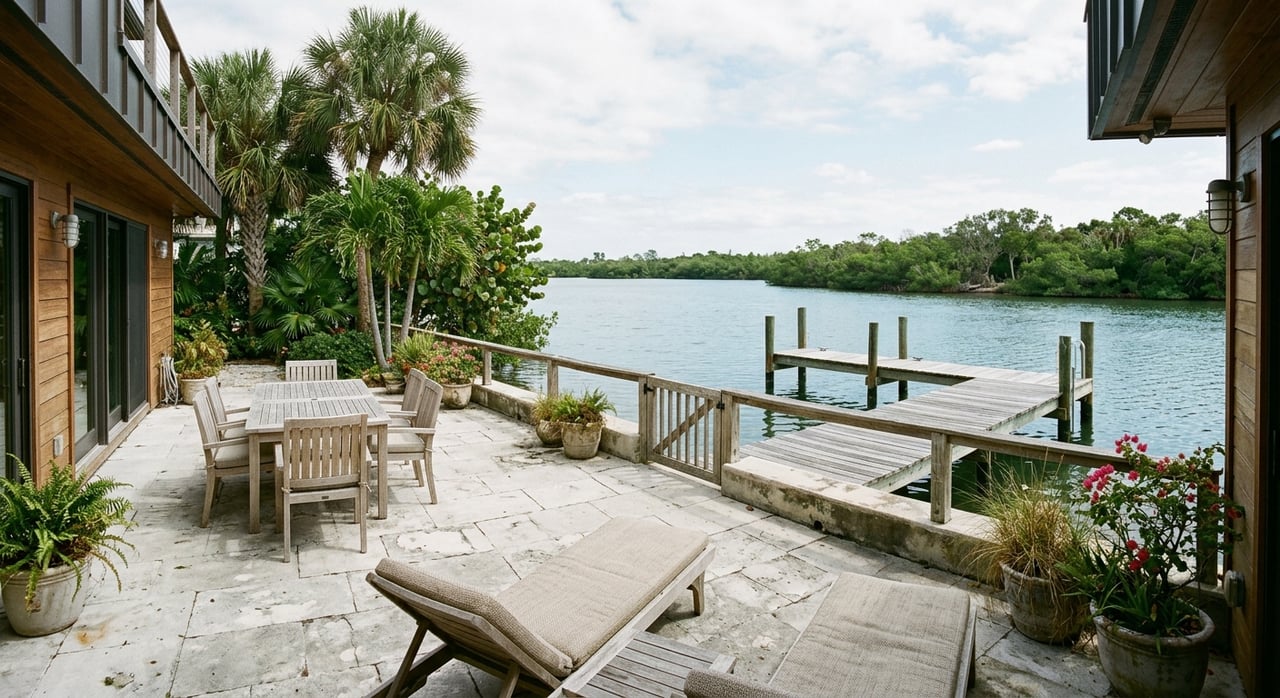
Official village materials also reference inland lakes and private docks. That points to a second lifestyle layer within Lost Tree Village, where water access and waterfront orientation play an important role in how certain homes live.
For buyers who prioritize boating or a water-focused setting, this part of the community may be especially relevant. As with any luxury waterfront purchase, the details of a specific property’s dockage, water access, and site features should be verified carefully during your home search.
Lost Tree Village is positioned between the Atlantic Ocean and the Intracoastal Waterway, and official materials mention ocean beaches. That gives the community a distinctive coastal identity that sets it apart from many inland golf communities.
For you as a buyer, this means the lifestyle conversation is broader than golf alone. Depending on the home, the appeal may include beach access, coastal surroundings, and a setting that blends private community living with a strong connection to the shoreline.
In Lost Tree Village, the club experience appears to be a major part of everyday living. Lost Tree Club is a separate, member-owned club founded in 1961, and its public materials state that it has membership in excess of 500.
The club also operates year-round, with a strong seasonal emphasis from October to mid May. That seasonal cadence can shape how social life, dining, and programming feel throughout the year, especially for seasonal residents or second-home owners.
Public club pages show that Lost Tree Club includes recurring arts programming, lectures, guided field trips, and workshops. The club also offers organized bridge activity, including guest sign-in procedures, season-specific rules, and a seasonal bridge association fee.
These details may seem small, but they reveal something important. In Lost Tree, the club is not just a backdrop. It appears to function as an organizing center for schedules, social activity, and shared experiences.
The public club materials also note dining coordination through the front desk for players who want lunch or dinner. That kind of operational detail reinforces how integrated club life can be with daily routines.
For a buyer evaluating fit, this is helpful context. In some communities, amenities are available but loosely connected to residents’ lives. In Lost Tree Village, public information suggests a more coordinated, club-centered lifestyle.
Another notable part of Lost Tree Village living is continuity. Official village materials note that many founding members encouraged second- and third-generation family members to live in the community.
That detail helps explain why Lost Tree Village is often seen as a place with deep roots and long-term attachment. For some buyers, that kind of continuity signals stability, tradition, and a residential culture shaped over time rather than rapid turnover.
Lost Tree Village is presented publicly through Lost Tree Village Corporation, which shares the community’s philosophy and history. Its stated mission emphasizes respect for nature, harmony between the built and natural environment, excellence in both small and large details, community and philanthropy, and preserving the past while welcoming the future.
That language suggests a carefully curated residential setting with standards and structure. In practice, buyers should understand that life in Lost Tree Village appears to be shaped by two distinct layers: the village corporation’s broader community framework and the club’s membership framework.
Because this is a private community with club involvement, it is wise to confirm specifics directly through official sources during your due diligence. Areas to verify may include:
These details can affect both your ownership experience and the timing of a transaction. In a high-value community, clear answers upfront help you move forward with confidence.
If you are considering Lost Tree Village, the big takeaway is that this is not just a collection of luxury homes. It is a long-established private community where physical setting, governance, and club structure all play a role in how ownership works.
That can be a strong advantage if you want a lifestyle defined by privacy, continuity, and a well-established residential environment. It also means your search should go beyond square footage and finishes to include club access, location within the village, and the practical details that shape daily life.
If you own in Lost Tree Village, your home’s story is likely about more than the residence itself. Buyers are often evaluating the full experience, including golf-course orientation, water features, beach setting, and the role of the club in everyday life.
That is why thoughtful positioning matters. A strong marketing strategy should present not only the architecture and design of the property, but also the lifestyle logic of where it sits within the community and how that location supports the buyer’s goals.
If you are preparing to sell, that kind of nuanced positioning can help attract the right audience and frame the home within the broader appeal of Lost Tree Village.
If you are buying or selling in Lost Tree Village and want discreet, design-aware guidance tailored to Palm Beach County’s luxury market, Donna Hutchins offers a concierge-level approach built around privacy, presentation, and informed representation.
Donna’s clients have placed their trust in her to handle the sale of their most valuable assets - their homes. She goes above and beyond for all her clients, emphasizing building and creating lasting relationships. With over 20 years of success working as a top-ranked luxury agent in New Jersey and Florida.