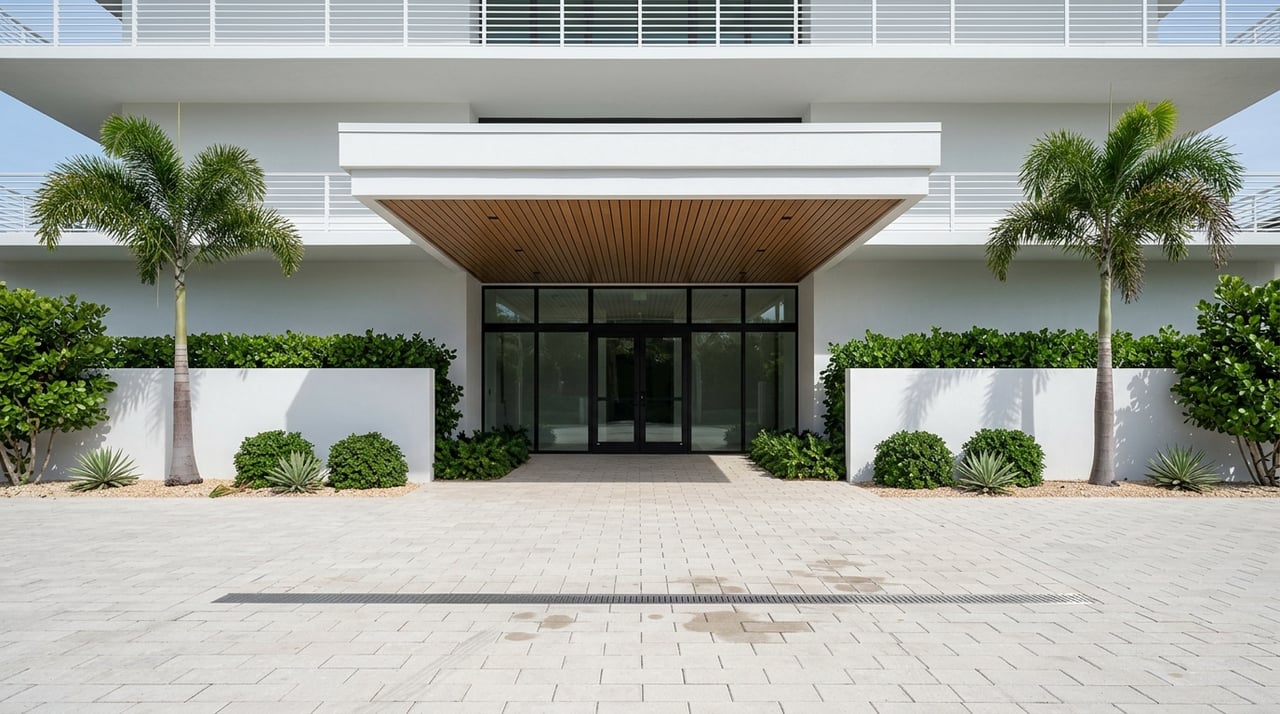
Palm Beach Oceanfront Condos Versus Estate Homes
May 21, 2026
May 21, 2026
If you are deciding between an oceanfront condo and an estate home in Palm Beach, you are not just choosing square footage or a view. You are choosing a style of ownership, a level of responsibility, and the kind of daily life you want when you arrive. In a market as tightly managed and highly distinctive as Palm Beach, that choice deserves a clear look at how each option really works. Let’s dive in.
Palm Beach is not a market where one property type simply stands in for another. The Town of Palm Beach closely regulates land use, setbacks, height, lot coverage, building mass, and landscape open space through its Planning, Zoning, and Building Department. Exterior changes, new construction, and visible landscaping may also go through Architectural Commission review, while landmarked or historically significant properties can involve Landmarks Preservation Commission oversight.
That matters because your ownership experience is shaped not only by the property itself, but by how the town manages growth and change. In Palm Beach, oceanfront condos and estate homes sit within the same coastal setting, but they operate very differently once you own them.
The coastal environment also affects both choices. The Town notes that Palm Beach has more than 12 miles of beachfront, and beach accesses can close during renourishment projects. The Town also maintains active coastal protection efforts, including sand renourishment and a groin rehabilitation program for private property owners in certain cases.
For many buyers, an oceanfront condo is the cleaner fit for a second residence or lock-and-leave lifestyle. If you want a more managed environment with less day-to-day property oversight, a condo can offer a more streamlined ownership pattern. Much of the building-level planning, inspection, and reserve structure is handled through the association rather than by you as an individual owner.
That does not mean condo ownership is simple in every respect. In Florida, condominium associations now carry meaningful responsibilities tied to inspections, records, and reserve funding. Those rules have become a major part of the buyer decision, especially for coastal buildings.
If you are considering a Palm Beach oceanfront condo, your due diligence should focus heavily on the association. Florida law requires official records to include inspection reports and the most recent structural integrity reserve study, making association health a central part of the purchase decision.
Key items to review include:
For buildings that are three stories or more, milestone inspections are required at age 30, or age 25 if the building is within 3 miles of the coastline, with repeat inspections every 10 years after that. For many Palm Beach condo buyers, this creates a more building-driven decision process than in past years.
An oceanfront condo often appeals to buyers who want easier maintenance and a more predictable day-to-day experience. You may have less direct responsibility for exterior upkeep, shared systems, and long-term building planning than you would with a standalone residence.
Guest access and parking can also work differently than buyers expect. The Town’s parking program is block-based in many residential areas, with resident permits, visitor hangtags, and separate townwide ParkMobile permits. In practice, that means condo owners often need to think more carefully about guest parking and visitor flow.
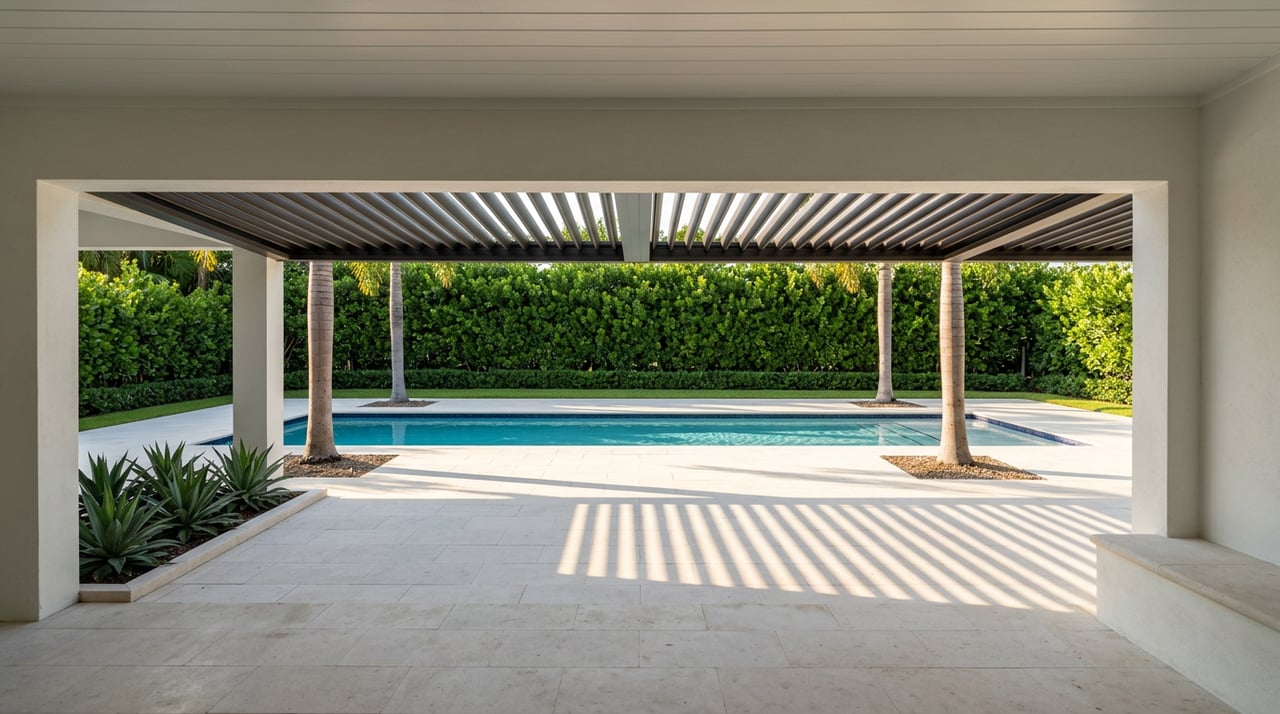
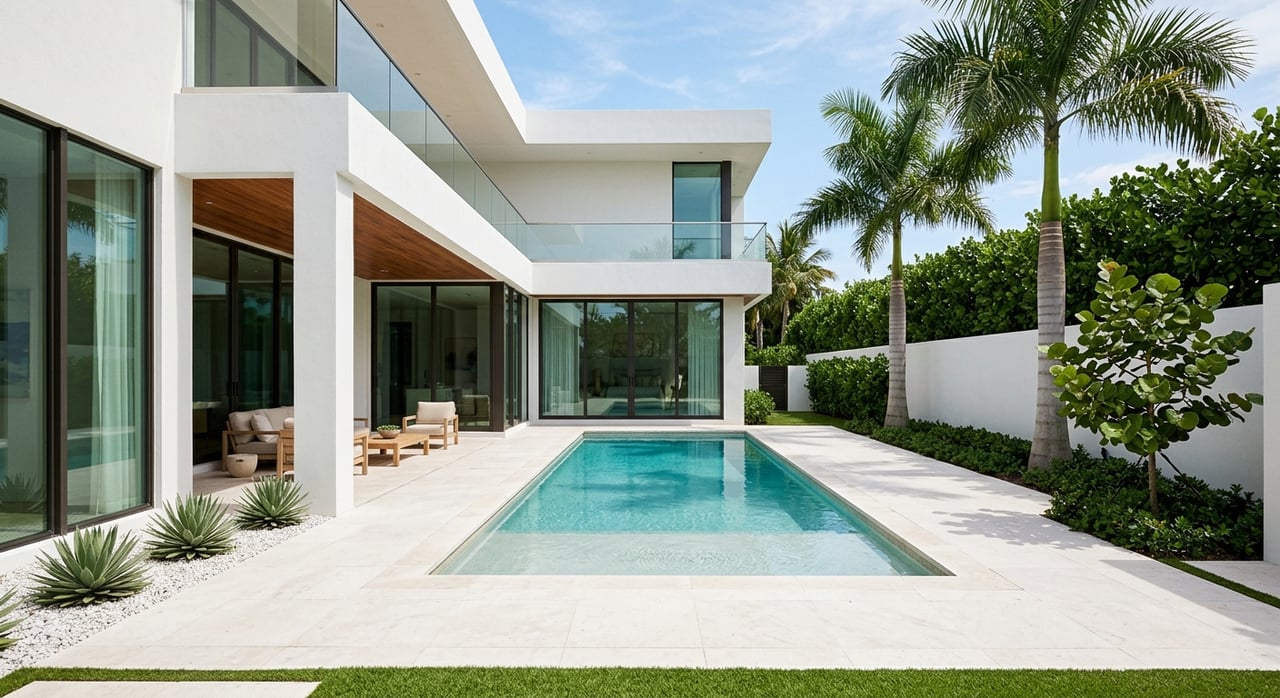
If your priority is privacy, flexibility, and a broader property footprint, an estate home often stands apart. Estate ownership is usually more land-driven and more personal in how you use the property. You have greater control over the experience of arriving, entertaining, staffing, and living on the property itself.
Palm Beach’s comprehensive plan also supports a type of use that matters to many luxury buyers. The Town says it will continue to permit on-site quarters for domestic and maintenance help in residential zoning districts. For buyers who want a more fully supported household operation, that can be a meaningful distinction.
The tradeoff for greater control is greater direct responsibility. Unlike condo ownership, where many major obligations sit at the association level, estate ownership places more of the planning, upkeep, and future improvement process on you.
That can include:
The Town of Palm Beach notes that homeowners insurance does not cover flood losses. It also notes that as a FEMA CRS Class 6 community, NFIP flood insurance policyholders receive a 20% discount. For waterfront and oceanfront estate buyers, flood and insurance review should be part of early diligence, not an afterthought.
Estate homes can offer more customization potential, but Palm Beach is a highly regulated environment. Exterior changes, additions, and new construction may require Town review, and zoning rules govern important items such as massing and setbacks.
Timing matters too. The Town notes that some work must be planned around seasonal construction windows, including a pause from December 24 through January 1. If you are buying with future renovations in mind, understanding the approval process and timing can be just as important as evaluating the home itself.
Both condos and single-family homes in Palm Beach County have shown strong long-term appreciation, but they are not moving in exactly the same way. MIAMI REALTORS reported that from May 2015 to May 2025, Palm Beach County condo prices rose 118.6%, while single-family prices rose 116.9%.
Short-term conditions tell a more nuanced story. In March 2025, condo sales in Palm Beach County fell 4.3% year over year, while single-family sales rose 2.4%. The same report cited lack of condo financing and inventory at key price points as factors affecting the condo segment.
WLRN also reported that condominium reforms are weighing on older condos, while million-dollar-plus sales in Palm Beach County remained strong. For buyers, the takeaway is straightforward: condo value can be more sensitive to building condition, reserves, and financing access, while estate value is often more tied to land, control, and the property’s individual attributes.
The best choice usually comes down to how you want to live, not just what you want to own. In Palm Beach, an oceanfront condo and an estate home can both be exceptional assets, but they support different rhythms.
Neither option is automatically better. The right fit depends on whether you prefer a building-driven ownership model or a land-driven one.
In Palm Beach, high-level buying decisions benefit from very practical questions. The clearer your diligence upfront, the more confident your purchase will feel later.
Ask for clarity on:
Ask for clarity on:
In a market this refined, the better purchase is usually the one that fits your real lifestyle with the fewest compromises. A Palm Beach oceanfront condo can offer ease, structure, and a polished lock-and-leave experience. A Palm Beach estate home can offer privacy, control, and a more expansive way to live and entertain.
If you are weighing both options, the goal is not just to compare finishes or price per square foot. It is to understand how each property type performs over time, what it asks of you as an owner, and how well it supports the life you want in Palm Beach.
If you want discreet guidance as you compare Palm Beach oceanfront condos and estate homes, Donna Hutchins offers a polished, design-aware approach backed by concierge-level service and deep luxury market insight.
Donna’s clients have placed their trust in her to handle the sale of their most valuable assets - their homes. She goes above and beyond for all her clients, emphasizing building and creating lasting relationships. With over 20 years of success working as a top-ranked luxury agent in New Jersey and Florida.