Quietly Selling Lost Tree Village Real Estate
April 16, 2026
April 16, 2026
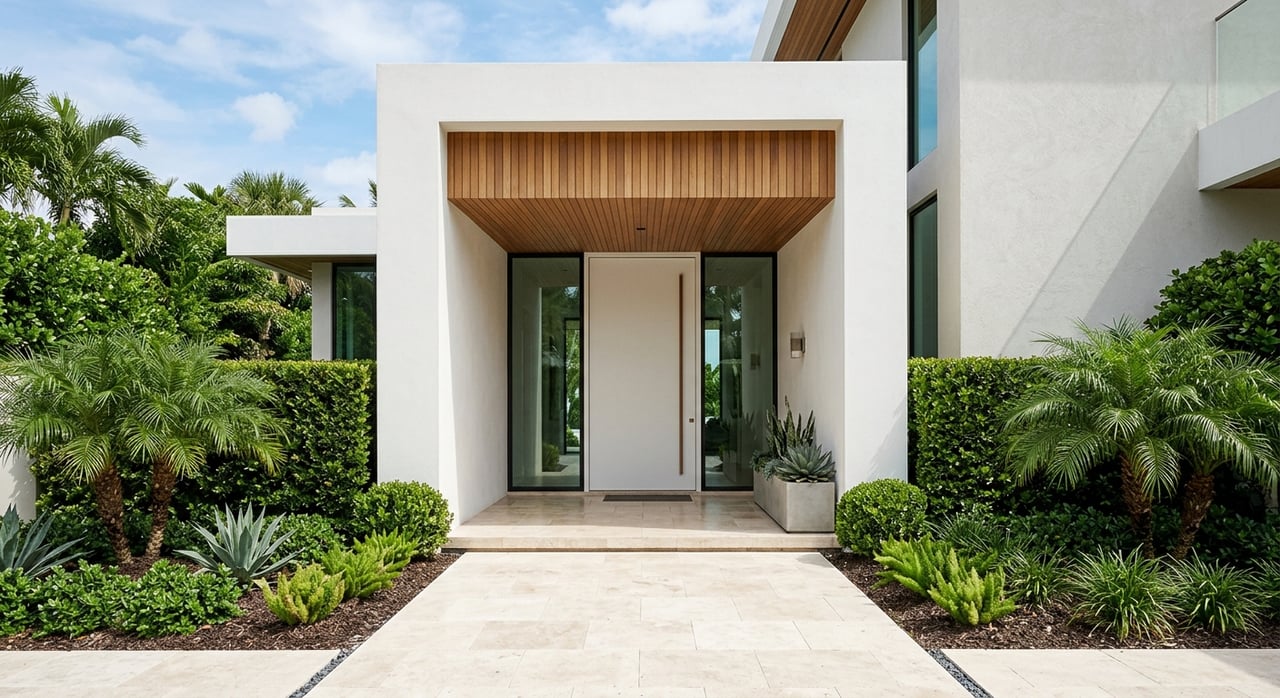
If you own a home in Lost Tree Village, privacy is likely not just a preference. It is part of the appeal of the property itself. In a community built around controlled access, waterfront settings, and a highly selective buyer pool, you may not want your home broadly promoted across public real estate websites. The good news is that you do have options, and this guide will help you understand how a quiet sale can work, what the tradeoffs are, and how to approach the process thoughtfully. Let’s dive in.
Lost Tree Village is a 450-acre gated community with 524 residences set between the Atlantic Ocean and the Intracoastal Waterway, with private docks, beaches, golf, tennis, a fitness center, and 24-hour security, according to Lost Tree Village community information. In a setting like this, controlled access is not unusual. It is part of everyday life for owners and guests.
That context shapes how many sellers think about marketing. If your property is in a community where privacy and limited access are expected, a traditional high-visibility launch may not feel like the right fit. Instead, you may prefer a more measured strategy that limits exposure while still reaching qualified buyers.
A quiet sale does not mean your home disappears from the market or avoids all rules. In most cases, it means controlled distribution rather than total secrecy. You are choosing to limit where the property appears and how it is introduced to buyers.
According to the BeachesMLS delayed marketing guidance, a seller can restrict internet marketing so a home is shown only on the listing broker’s website instead of across broad public syndication channels. The same guidance explains that publicly marketed listings still must be filed within one business day, the delayed-marketing period is capped at 21 days, and written seller authorization is required.
The National Association of Realtors consumer guide to alternative listing options also describes office-exclusive and delayed-marketing options as privacy-oriented choices that allow sellers to control where and how a home is shown. It also notes that sellers must acknowledge they are waiving some benefits that can come with broader MLS or public exposure.
With delayed marketing, your home can be marketed in a more limited way for a short period. This can give you time to control exposure, prepare the property, and reach out to a targeted audience before broad internet distribution begins.
In South Florida, the BeachesMLS rules make the boundaries clear. The delayed window is limited to 21 days, and the seller must approve that choice in writing.
An office-exclusive approach can be another privacy-focused option. As the NAR consumer guide explains, this route allows marketing to be handled in a more restricted setting that matches a seller’s privacy goals.
For some Lost Tree sellers, this may align with the desire to keep photographs, floor plans, and showing activity more tightly managed. Still, it is important to understand that this approach may reduce the number of buyers who ever see the opportunity.
A quiet campaign often works best when paired with strict showing controls. The NAR Safe Listing Form recommends limiting showings to pre-qualified or properly identified buyers and removing valuables and personal information from plain view before showings begin.
For a high-end Lost Tree property, that supports an appointment-only model. In practical terms, that means fewer showings, better buyer vetting, and a more orderly experience inside your home.
This is the most important part of the conversation. A quiet sale can protect privacy, reduce disruption, and create a more curated process. But it can also narrow the buyer pool.
According to NAR’s statement on pre-marketing and coming-soon listings, broader public exposure can support price discovery and attract more bidders. More private approaches, by contrast, inherently reduce reach.
That does not mean a quiet sale will hurt your result. It means you are making a strategic choice. In a niche market like Lost Tree, where available properties may range from roughly $1.99 million to $35 million based on local brokerage snapshots cited in the research, the buyer pool is already small and highly segmented. A private strategy can still work well if pricing is realistic and buyer outreach is intentional.
When you reduce public exposure, you also reduce the chance that the market will discover your price through broad traffic alone. That makes initial pricing discipline even more important.
Palm Beach County’s January 2026 market report showed strong momentum in the luxury market. Closed single-family sales rose 10.2% year over year, the median sale price reached $700,000, the average sale price reached $1,507,693, and active listings stood at 6,073 with a 5.2-month supply. The same report showed that $1 million-plus sales rose 27.2%, sales from $3 million to $4.999 million rose 50.0%, and sales from $5 million to $9.999 million rose 38.1%.
Those countywide numbers point to healthy demand, especially at the upper end. Still, a Lost Tree home is not a countywide commodity. If you want to sell quietly, your pricing and positioning need to be sharp from day one because broad exposure will not fill in the gaps.
Timing matters, especially if you are planning a move, coordinating a purchase, or trying to align the sale with a seasonal calendar. A quiet sale can be efficient, but it may also require a longer runway for private outreach before the right buyer steps forward.
Recent Palm Beach County market reports showed about 49 to 51 days to contract and about 93 days to sale countywide. That is not a Lost Tree-specific average, but it is a useful benchmark. If you choose a private or delayed strategy, it is wise to plan for a process that may extend beyond those general timing patterns.
A quiet sale still requires a high level of preparation. In fact, when your buyer pool is smaller, every showing and every conversation carries more weight. Your home should be ready before it is introduced.
Florida sellers still must disclose known facts that materially affect value and are not readily observable or known by the buyer, according to the Florida Realtors residential seller disclosure form. Privacy does not override disclosure obligations.
For a coastal estate, that means organizing details related to structural soundness, major systems, roof conditions, plumbing, pest history, pools, docks, seawalls, environmental conditions, and code-related issues. Getting these items in order early can help prevent delays once a serious buyer is engaged.
The NAR Safe Listing Form recommends securing valuables, personal documents, medications, and firearms before showings. That advice is especially relevant in a private sale where discretion is a priority.
If the goal is calm, low-friction showings, the home should feel polished and protected at the same time. This is where thoughtful planning and concierge-level preparation can make a meaningful difference.
In a community like Lost Tree, qualification should go beyond simple interest. Buyers should be financially prepared, properly identified, and aligned with the property itself before private access is granted.
That is particularly important when club-related considerations may affect the buyer’s decision-making. Based on local club information cited in the research, club charges are separate from the property transaction and membership is handled through the club rather than automatically transferring with a home purchase. That makes early buyer education especially important in a discreet campaign.
A well-run quiet sale is usually not passive. It is selective, structured, and proactive. The goal is not to hide the home. The goal is to present it to the right people, in the right way, at the right time.
A strong strategy may include:
That final point matters. Sometimes the best approach is a phased launch. You may begin with a controlled strategy, then expand exposure if the market response suggests a broader rollout would better support your goals.
Selling quietly may be the right fit if your top priorities include privacy, limited disruption, and a more controlled showing process. It can also make sense if your property appeals to a very specific buyer profile and you prefer targeted outreach over mass exposure.
At the same time, if your main goal is maximum competition in the shortest possible window, broader public marketing may be the better choice. There is no one-size-fits-all answer. The right decision depends on your goals, timeline, and comfort level with visibility.
In a place like Lost Tree Village, the best results often come from matching the strategy to the setting. Privacy is part of the market here, but so is precision.
If you are weighing whether to sell quietly, a thoughtful plan matters as much as the decision itself. Donna Hutchins offers a high-touch, design-aware approach for luxury sellers who want discretion, preparation, and polished execution from start to finish.

Donna’s clients have placed their trust in her to handle the sale of their most valuable assets - their homes. She goes above and beyond for all her clients, emphasizing building and creating lasting relationships. With over 20 years of success working as a top-ranked luxury agent in New Jersey and Florida.